AI-enabled development, low-code platforms and leaner delivery teams are reshaping how software gets built. But they’re also quietly reshaping where things break, and how often.
In theory, these trends promise faster releases, lower costs, and greater flexibility. In practice, they’ve introduced a new kind of digital risk: issues that don’t crash systems, but quietly erode customer experience, trust, and revenue.
At Digivante, we see digital quality assurance breaking down not because teams lack tools, but because they lack visibility into real-world behaviour.
The new reality of software delivery
Modern digital teams are shipping more than ever:
- AI is generating code, content, recommendations, and journeys
- Low-code tools allow non-developers to build and deploy features
- Teams are leaner, releases are smaller, and production changes are constant
This has fundamentally altered the delivery model. Where teams once shipped a handful of large releases each year, they now push dozens of incremental changes every week, often across platforms they don’t fully control.
The result? Software that looks stable, but behaves unpredictably in the real world.
The hidden cost of “moving faster”
Speed itself isn’t the problem. Blind speed is. As stacks become more modular, teams rely on an expanding web of third-party services:
- Payments, wallets, BNPL providers
- Search, filtering, personalisation engines
- AI-driven recommendations and chat
- Analytics, experimentation, tag managers
- Cloud infrastructure and APIs
Each dependency introduces variability: different devices. different regions, different browsers, different user behaviours and different traffic conditions.
And when something breaks, it rarely throws a clean error. Instead, we see:
- Buttons that stop responding on specific devices
- Checkout steps that silently fail after promo updates
- Filters that degrade under peak load
- AI recommendations that misfire for certain cohorts
- Payment options disappearing on smaller screens
These are not theoretical risks. They’re the most common causes of conversion loss we see.
Why automation alone isn’t enough
Automation and AI are invaluable. They catch regressions at speed and scale. But they test what you expect. They don’t test confusion, friction, misinterpretation, trust signals missing at key moments and edge-case behaviours across real devices and users.
Automation confirms that a journey can work. It doesn’t confirm that it does work for real customers, in real conditions. That gap has widened as delivery accelerates.
Low-code and AI didn’t remove risk. They moved it
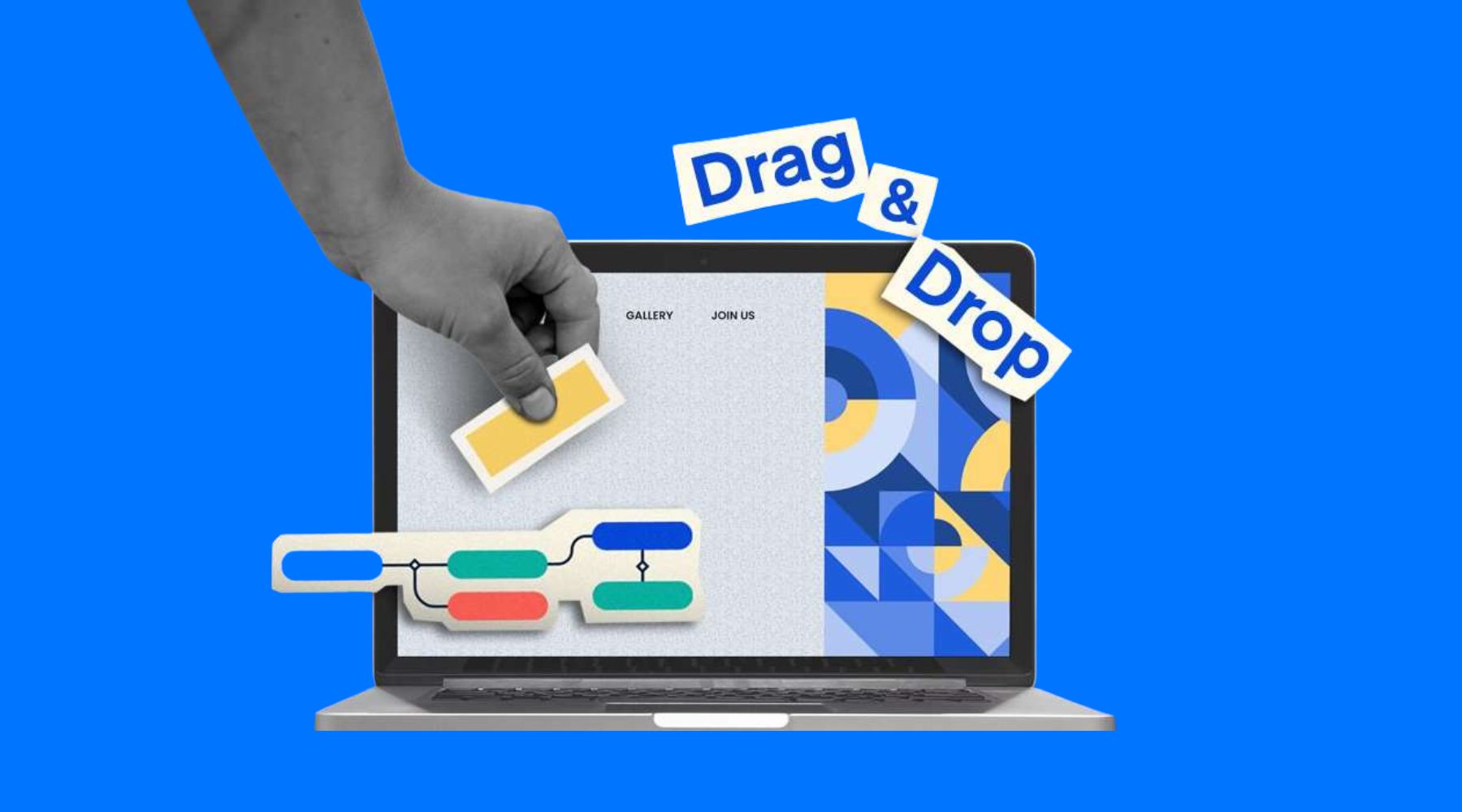
Low-code platforms have empowered teams to build faster, but they’ve also shifted responsibility closer to the front end, increased the volume of content-led changes and blurred the line between “safe” and “risky” updates.
Similarly, AI-generated code and logic introduce behaviours that teams didn’t explicitly design and therefore don’t always think to test. The result is a rise in non-obvious defects:
- Issues that pass QA
- Issues that don’t show up in staging
- Issues that only appear once real users interact with them at scale
These are the failures that hurt most, because they arrive silently.
How high-performing teams approach digital quality assurance
The strongest digital teams we work with aren’t trying to slow delivery down. They’re doing something smarter: they’ve changed what they consider “quality.”
Instead of asking: “Did it work?”, they ask: “Did it work for real users, in real conditions, at the moment it mattered?”
That shift changes everything. Testing becomes:
- Outcome-based, not just functional
- Conversion-aware, not just pass/fail
- Continuous, not event-driven
- Grounded in real devices, not ideal ones
It’s not about replacing automation. It’s about completing the picture.
Why this matters more in ecommerce than anywhere else
Ecommerce is uniquely exposed to these trends:
- Journeys are complex and multi-step
- Trust is fragile and easily lost
- Small friction equals immediate revenue impact
- Peak periods amplify every weakness
As marketplaces grow, AI personalisation expands, and checkout logic becomes more layered, the margin for invisible failure shrinks to almost zero.
Customers don’t care whether an issue came from your CMS, a third-party integration, an AI model, a low-code update, or a cloud provider. They only see one thing: your brand didn’t work when they needed it to.

The way forward
The future of software delivery is undeniably faster, more automated and more modular. But speed without understanding is fragile.
The teams that will win aren’t those shipping the most features, they’re the ones who understand, earliest, how change feels to the customer.
That’s where digital quality is heading next: Not fewer releases. Not heavier process. But clearer visibility into real-world impact. And that’s a shift the entire industry is still catching up with.